Choosing a mattress is a big decision. The core materials define your sleep experience. Understanding “What is the difference between memory foam and spring mattresses?” is essential. This guide breaks down their construction, feel, and benefits to help you decide.
Key Takeaways
- Memory foam contours closely to your body.
- Spring mattresses offer a bouncy, traditional feel.
- Foam isolates motion better than springs.
- Springs generally sleep cooler than basic foam.
- Your personal sleep style determines the best choice.
Completely Different Construction – Memory Foam vs Spring Mattress
Memory foam and spring mattresses are built completely differently. Their core support systems oppose each other. This difference in construction drives every other contrast in their feel and performance. We must start with how they are made.
Memory foam is a synthetic material. Its full name is viscoelastic polyurethane foam. It is designed to react to heat and pressure. The foam softens where your body is warmest and heaviest. It remains firm elsewhere. This creates a customized cradle.
Spring mattresses use a metal coil support core. Hundreds of individual steel springs work together. They are linked or placed in separate pockets. These coils compress and push back against your weight. This provides a buoyant, lifting support.
The Core Feel: Sinking In vs Bouncing On
The feel of each mattress type is its most noticeable trait. This feel impacts comfort and alignment. You experience this difference immediately when you lie down.
Memory foam creates a distinctive “hug.” You sink into the material. It slowly contours to your exact shape. This can feel like the mattress is molding to you. It provides a deep, pressure-relieving cradle. This feel is very popular for side sleepers.
Spring mattresses deliver a buoyant, responsive feel. You lie more on top of the mattress. The coils push back with a lively bounce. This makes changing positions easy. It creates a more traditional, firm, and supportive surface. Many stomach sleepers prefer this.
Support & Pressure Relief: A Different Approach
Both types aim to support your spine. They achieve this goal through different methods. Your body weight and sleep position matter here.
Memory foam excels at pressure point relief. It evenly distributes your weight. This reduces pressure on shoulders, hips, and heels. It can help maintain spinal alignment by filling in the space under your curves. The contouring effect is key.
Spring mattresses provide robust, firm support. They prevent excessive sinkage. The push-back from the coils supports your midsection. This keeps your spine straighter. Good pressure relief depends on the comfort layers above the coils, not the springs themselves.
Motion Isolation: The Tranquility Test
This is a major practical difference. It is crucial for couples. Motion isolation refers to how well a mattress limits movement across its surface.

Memory foam is the champion of motion isolation. Its viscous material absorbs movement. You barely feel your partner toss, turn, or get out of bed. This is a primary reason couples choose foam. It directly answers “What is the difference between memory foam and spring mattresses?” for light sleepers.
Traditional spring mattresses have poor motion isolation. Movement on one side travels through the linked coils. It creates a ripple effect across the bed. However, pocketed coil systems are much better. Each spring moves independently in its own fabric pocket.
Temperature & Breathability: The Cooling Factor
Sleeping temperature is a critical comfort factor. The materials have inherent properties that affect airflow. This is a common concern for many shoppers.
Traditional memory foam tends to sleep warmer. Its dense structure traps body heat. It conforms closely, limiting air circulation. Modern foams now include gel infusions or open-cell designs. These features improve airflow significantly. They help mitigate the heat issue.
Spring mattresses are naturally more breathable. The large air spaces between coils allow heat to dissipate. Air flows freely through the core. This creates a cooler sleeping environment by default. The comfort layers on top will ultimately influence the final feel.
Durability
A mattress is a long-term investment. You need to know how each type will hold up. Their materials wear differently over time.
High-density memory foam maintains its shape for years. It resists permanent body impressions. Lower-quality foam can soften too much. It may lose its supportive properties faster. Look for higher density foams for greater durability.
Spring mattresses can sag over time. This is especially true around the edges. The coils can also begin to creak. Higher coil counts and tempered steel improve longevity. The comfort layers on top will still compress with use, regardless of the coil quality.
Which One is Right for Your Sleep Style?
Your personal needs should guide your choice. Align the mattress strengths with your sleeping habits. This is the most important step.
Consider a memory foam mattress if you are a side sleeper. It is also ideal if you need pressure relief. Choose foam if you sleep with a partner and need motion isolation. It can also help if you prefer a pronounced “cuddled” feeling.
Consider a spring mattress if you are a stomach or back sleeper. It is also good if you prefer a firmer, bouncier surface. Choose springs if you tend to sleep hot. It is also ideal if you like a more traditional, responsive bed feel.
Hybrid Mattresses: The Best of Both?
A hybrid mattress is a direct response to our core question. It combines pocketed coils with thick foam comfort layers. This design aims to merge the benefits of both worlds.
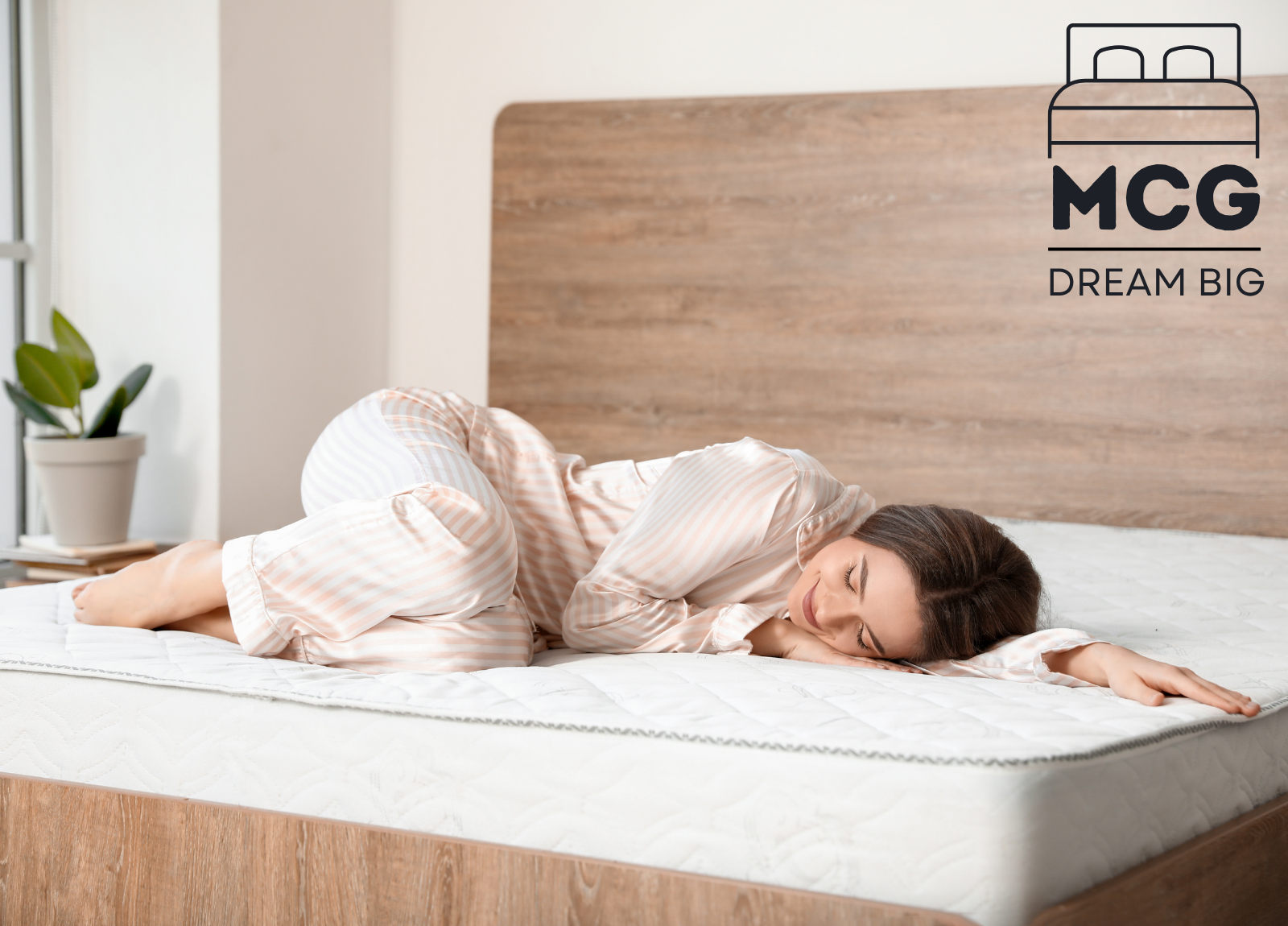
Hybrids offer the contouring and pressure relief of foam. They also provide the support, bounce, and breathability of springs. This makes them a versatile and popular modern choice. They represent a middle path in the mattress landscape.
Making Your Informed Decision
Test mattresses in person whenever possible. Lie down in your typical sleep position. Spend at least 10-15 minutes on each one. Pay attention to how your shoulders, hips, and spine feel. The right choice becomes clear with direct experience.
Understanding “What is the difference between memory foam and spring mattresses?” provides clarity. It removes confusion from the shopping process. You can now focus on the features that matter most for your sleep. Your perfect match awaits.
RELATED
HOW THICK SHOULD A MEMORY FOAM MATTRESS BE?
HOW TO CLEAN A MEMORY FOAM MATTRESS
Summary of Prominent References & Concepts
Viscoelastic
The property of memory foam that allows it to be both viscous (slow-moving) and elastic (returning to shape).
Pocketed Coils
Individual springs each sewn into their own fabric pocket, allowing for independent movement and better motion isolation.
Motion Isolation
A mattress’s ability to absorb movement and prevent it from spreading across the sleep surface.
Pressure Relief
The ability of a mattress to reduce stress on key body points like shoulders and hips.
Hybrid Mattress
A modern construction combining an innerspring coil system with substantial foam (memory or latex) comfort layers.
Conforming
The characteristic hug and body-shaping effect of memory foam.
Responsiveness
How quickly a mattress returns to its original shape after pressure is removed; springs are highly responsive.